


As people continue to grow older and live longer, Senior Wellness has become an essential topic of conversation within both modern healthcare and lifestyle planning. While once seen as a time of deterioration, aging today represents an opportunity, purpose, and growth for many individuals living a wellness-focused lifestyle. Seniors who are given proper emphasis regarding the importance of their health and wellness will be able to have more independent living, emotional balance, and physical strength throughout their later stages of life.
This guide provides comprehensive information on various methods that can enable individuals to live long and productive lives by exploring evidence-based, research-supported, and highly successful practices to enhance their well-being through Senior Wellness. This guide will include practical, evidence-based, and highly successful ideas for creating a Senior Wellness program that incorporates modern-day concepts of wellness while maintaining the fun and excitement associated with the emerging Senior Wellness field.
Aging well as a senior means taking care of both your body and mind, not just treating illnesses; it also involves maintaining overall well-being. Senior wellness is about living life to its fullest, staying engaged, and maintaining a physically active lifestyle. It helps seniors live independently for as long as possible, regardless of their stage of life. In addition to living a quality life, senior wellness encompasses all dimensions of health, enabling seniors to have the confidence to live well and make a positive difference in their communities.
These are the primary components of senior wellness:
More senior citizens today are adopting wellness strategies that focus on being proactive as opposed to the reactive nature of wellness practices in the past. Through a variety of activities that include:
Today's senior wellness trends aim not only to create more time on this earth but also to enhance the overall quality of life for seniors. A reduction in the chances of living with chronic disease, increased mobility, and improved emotional health, Senior Wellness provides seniors with the tools necessary to take responsibility for their own health; they will no longer depend solely on medical personnel to care for them.
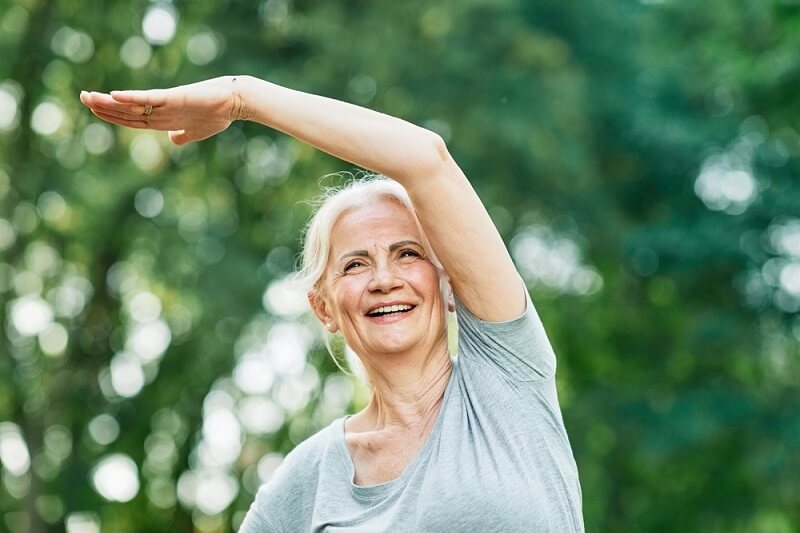
Physical activity plays a huge role in senior wellness. Maintaining a moderate level of activity can benefit the heart, bones, muscles, flexibility, and balance. These four areas are crucial to the overall health and well-being of seniors.
The latest trends in health and wellness for seniors focus on low-impact, sustainable exercise programs that align with the natural aging process of their bodies. Examples include:
All current trends are designed to support seniors as their bodies change with age, while maintaining the effectiveness of these programs and initiatives.
To stay current, it is essential to engage in regular physical activity. Participating regularly in physical activity promotes healthy muscles, improves mood and sleep, and enhances brain health. Therefore, it is no surprise that physical fitness should be the foundation of a healthy and well-rounded lifestyle for seniors.
We’ve Covered This in Detail Here: 6 Tips for Senior Fitness: Stay Active and Improve Mobility
The importance of nutrition cannot be overstated when it comes to the overall health of seniors. Nutrition tends to get overlooked because we assume it is not as crucial for older adults. As we age, our metabolism slows down, which means our bodies require more nutrient-dense foods to stay energized, healthy, and properly digest food.
According to current trends in health and wellness for seniors, diets should consist of:
1. Lean protein sources - To preserve muscle
2. Fiber - For digestive health
3. Calcium and Vitamin D - To help maintain bone
4. Omega-3 fatty acids - For brain and heart health.
Research indicates that these nutrition-based trends for seniors can also aid in the treatment and management of chronic diseases, including diabetes, arthritis, and heart disease. A properly balanced diet helps stabilize blood sugar levels, maintain a healthy weight, and enable seniors to enjoy as much vitality as possible.
Here’s Something Helpful: Healthy Snacks for Seniors: Nutritious & Tasty Choices
Mental health is an essential factor in how well seniors live their later years. The amount of cognitive stimulation, emotional stability, and stress management all significantly impact the quality of life in seniors.
Today, wellness trends for seniors include:
These wellness trends for seniors have been shown to help reduce anxiety, fight depression, and maintain memory function in older adults. By focusing on their mental health, seniors will have a more sustainable and fulfilling experience in maintaining their health and wellness.
On a Related Note: Mindfulness Practices for Older Adults: Embrace the Present
Preventive care is one of the most effective ways for senior citizens to maintain good physical and mental health. Preventive care focuses on helping seniors maintain their health by preventing illness and identifying potential health issues early, enabling seniors to receive proper treatment. Some of the most common methods to help seniors with preventive care include:
The use of these and similar activities helps create a shift away from disease-oriented care or reactive treatment of illness toward a more prevention-oriented approach to maintaining overall health and well-being throughout the senior years. This change in how we think about care not only reduces the costs associated with providing healthcare but also minimizes complications, enabling older adults to experience greater independence in their daily lives for a longer period of time.
Technology has changed the way seniors approach their health and wellness. With a rapidly growing technology sector, seniors have access to a wide range of options in healthcare, from wearable devices to telehealth programs. The impact of technology on senior healthcare can no longer be denied.
Some examples of technology and senior wellness trends include:
The above technology and trend enable seniors to increase their independence by providing them with the tools to manage their own health from home, continuing a positive trend of empowering seniors through the development of their own wellness habits.
Although social interaction has often been ignored, it is a critical component of the well-being of older adults. The adverse effects of isolation include deterioration of both mental and physical health, increasing the risk of cognitive decline and the development of mood disorders, including depression.
The health and wellness trends for seniors include:
All of these factors develop a sense of purpose, community, and psychological resilience; they are as crucial to senior health and wellness as nutritional and physical activity.
Holistic therapies continue to gain popularity as viable options for enhancing health and wellness in older adults. The use of yoga, tai chi, acupuncture, and massage therapy helps both the body and the mind. Working together with conventional health care practices provides a balanced and individualized plan for senior wellness by addressing the totality of the individual, rather than focusing solely on symptoms.
The proactive approach taken in assisting older adults with their well-being provides them with the tools they need to take control of their own circumstances. The increasing awareness of senior fitness and health-related topics will continue to pave the way for enhanced preventive measures, as well as the subsequent development of technology and the promotion of a holistic approach to senior living. This approach will continue to involve individualized development of the whole person.
While the conceptualisation of health and wellness continues to change, each time it comes from one of the four trends above, the evolution has taken the form of:
The essence of senior wellness is to enjoy life to the fullest, with a quality of life and independence, at all points in the lifecycle. By learning about the latest advancements in senior health and wellness and implementing them into your daily routine, seniors can redefine what "aging well" means.
Today's trends in senior wellness provide seniors with actionable methods to achieve better health and greater happiness through a balanced diet, regular physical activity, mental well-being, and social connection. Rather than being a barrier, the process of aging presents an ideal opportunity to begin focusing more seriously on feelings of well-being, purpose, and vitality.
The wellness of older adults takes a holistic approach to support healthy and independent aging, focusing on physical fitness, mental health, nutrition, preventive healthcare, and community engagement.
Focusing on the wellness of older adults can help them live longer, move more easily, manage their emotions more effectively, enjoy a better quality of life, and reduce their risk of developing chronic diseases or complications associated with aging.
The most common trends in the wellness of older adults today include preventive care, low-impact fitness, emotional wellness, nutrition planning, and utilizing technology to monitor their health.
The current health and wellness trends for older adults teach individuals how to care for themselves, detect health problems early, maintain physical strength, and achieve mental clarity, enabling them to maintain independence for longer periods.
Older adults can enhance their overall wellness by engaging in regular physical activity, consuming balanced meals, attending regular preventive health appointments, actively participating in social activities, and practicing mindfulness.
This content was created by AI