

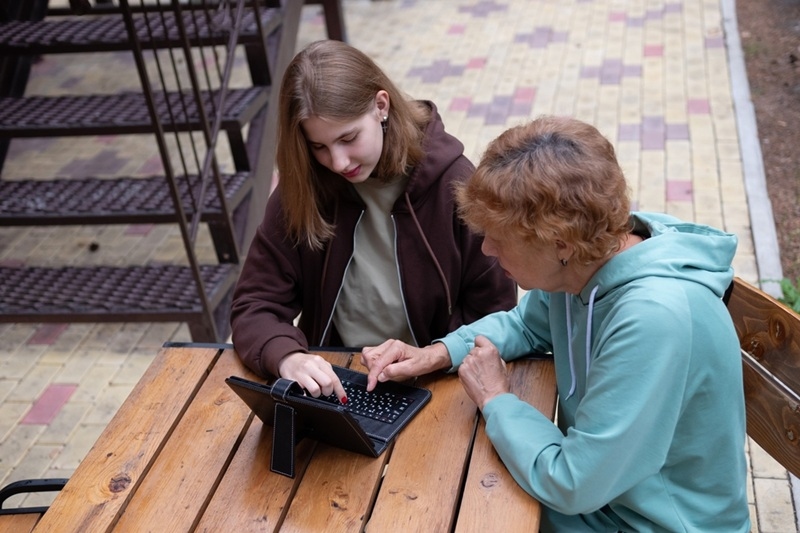
Retirement changes the rhythm of life. For some people, that feels freeing right away. No alarm clock. No commute. No constant pressure. For others, it feels a little strange at first. A bit too quiet, maybe. Days open up, and suddenly there is more time than structure. That can be relaxing, sure, but it can also leave a person wondering what comes next.
This is exactly why learning does not stop after retirement. In many cases, it becomes even more important. Not because seniors need to prove anything. They do not. But because growth still matters. Curiosity still matters. Feeling useful, engaged, and mentally awake still matters too.
Retirement is not only about slowing down. It can also be about trying things that never fit into earlier decades of life.
Learning new skills in retirement can give seniors a stronger sense of purpose and momentum. It adds shape to the week. It helps the mind stay active. It also brings back something many adults lose after years of routine: the excitement of being a beginner again.
That beginner stage can feel awkward, of course. Nobody loves being bad at something right away. Still, there is something refreshing about it too. A retired person might finally learn painting, basic photography, gardening, public speaking, digital tools, or even a new language. Not perfectly. That is not the point. The point is movement.
This process also supports senior self improvement in a practical, human way. Learning is not just about collecting information. It builds confidence. It improves mood. It can even reconnect someone to parts of themselves that got buried under work, family duties, or everyday busyness for years.
And honestly, that is worth a lot.
A lot of people think retirement should be effortless all the time. Rest, travel, family, maybe some television, and that is enough. Sometimes it is. But many seniors discover that too much empty time can feel draining rather than peaceful.
Learning something new changes that dynamic. It creates a reason to show up for the day.
Some benefits of ongoing learning include:
This is why skill development elderly adults pursue can be deeply valuable, not just mildly interesting. Skills give people something to practice, improve, and enjoy. They create forward motion, and that matters at every age.
There is also a mindset shift here. Retirement stops feeling like an ending and starts feeling more like a new phase with room to explore.
Not every retired person needs to learn coding or master chess or take formal classes. The best new skill is usually the one that fits the person’s energy, interests, and lifestyle. Simple as that.
A good place to start is by asking a few honest questions:
Maybe they always wanted to cook better, write stories, sew, or learn music. Retirement gives those ideas space.
Sometimes practical skills are the most satisfying. Learning video calls, smartphone photography, budgeting apps, or online safety can make everyday life easier.
This matters. A skill does not need to sound serious to be meaningful. Some of the best hobbies for seniors begin simply because they are enjoyable.
That last point is important. People stick with learning when it feels rewarding, not when it feels like homework in disguise.
There is no perfect list, but some skills tend to fit retirement life particularly well because they combine learning with enjoyment, usefulness, or social connection.
Popular options include:
These kinds of activities often overlap with productive retirement ideas because they add both pleasure and structure to the day. A person is not just passing time. They are building something, even if that something is small.
And that counts more than people think.
One thing that stops many seniors from trying new things is not lack of time. It is self-doubt. They tell themselves they are too old, too slow, too out of practice, or not naturally talented. That kind of thinking can shut down good opportunities before they even begin.
It helps to remember this: learning later in life does not need to look fast to still be valuable.
A retired person might take longer to learn an app, a craft, or a new physical skill. Fine. So what? The slower pace does not cancel the benefit. In fact, it can make the process more thoughtful and less pressured.
This is where learning new skills in retirement becomes emotional as much as practical. It teaches patience. It reminds people they are still capable of growth. It helps them challenge the idea that aging means becoming passive.
That is a powerful shift.
Must Read: Basic Tech Skills Every Seniors Need to Learn in 2025
Starting something new can feel intimidating, especially if a person has not studied or practiced a new skill in years. The solution is not to avoid it. The solution is to make it smaller.
A few strategies help:
Fifteen or twenty minutes is enough at the beginning. Too much too soon can make the process tiring.
Trying to learn five things at once usually creates frustration. One focus is often better.
Simple books, basic tutorials, community classes, and patient instructors matter more than advanced resources.
A notebook, photo log, or simple checklist can help a person see improvement they might otherwise overlook.
This makes senior self improvement feel more realistic. Not dramatic. Just steady.
Learning alone works for some people, but many seniors do better when the process includes other people. Community helps. Encouragement helps too. A lot, actually.
Joining a class, library group, senior center workshop, local club, or online beginner community can make a new skill feel less intimidating. It also creates a sense of accountability. A person is more likely to keep going when someone expects to see them next week.
This is one reason hobbies for seniors often become more meaningful when they are shared. A gardening club, watercolor class, book discussion group, or digital skills workshop does more than teach. It connects.
That connection matters because retirement can sometimes shrink social circles without people realizing it. Skill-based activities help build them back up again.
Not every skill has to be artistic or recreational. Some seniors feel more energized by learning things that make daily life easier and more independent.
Useful examples include:
These forms of skill development elderly learners pursue may not sound glamorous, but they can be extremely empowering. Practical skills reduce stress. They improve confidence. They support independence in a very direct way.
And for many retirees, that kind of confidence is just as meaningful as learning a creative hobby.
The early excitement of a new hobby or skill can fade. That is normal. Most people hit that stage where progress feels slow and the novelty wears off a little. The trick is not to panic when that happens.
A few things can help keep momentum going:
This is where productive retirement ideas become more sustainable. The goal is not constant performance. It is regular engagement.
Retirement learning works best when it becomes part of a lifestyle rather than a short burst of motivation.
On a Similar Note: A List of Self-Care For Seniors and Wellness Reading Guide
People often talk about learning in terms of brain health, and yes, that matters. But the benefits are wider than that. New skills can lift mood, improve self-esteem, reduce loneliness, and help seniors feel more involved with life rather than separate from it.
There is something deeply satisfying about being able to say, “I did not know how to do this six months ago, and now I can.” That feeling does not expire with age.
That is also why learning new skills in retirement is such a valuable idea. It supports dignity. It supports confidence. It helps people stay curious and engaged in a phase of life that too often gets described only in terms of slowing down.
Retirement can absolutely include rest. It should. But it can also include progress, discovery, and a renewed sense of self. Sometimes that starts with something as simple as one class, one hobby, one tool, or one quiet decision to begin.
Yes, absolutely. A long gap from formal learning does not mean the ability is gone. It may just mean the person needs a gentler pace and a more supportive setup. Many seniors actually learn well because they bring patience, life experience, and stronger focus to the process. The key is to start small, allow time for repetition, and avoid comparing progress to younger learners.
That does not mean failure. Sometimes a person simply discovers that a certain hobby or skill was not the right fit. That is useful information, not a wasted effort. Retirement is a good time to experiment. Trying and adjusting is part of the process. If interest fades, it may help to test a different format, a more social setting, or a skill that feels more practical or personally meaningful.
Yes, many are. Public libraries, community centers, local senior groups, nonprofit workshops, and online video platforms often offer low-cost or free learning opportunities. Some colleges and adult education centers also provide reduced-cost access for older adults. The important part is not finding the fanciest program. It is finding something accessible, welcoming, and easy enough to begin without too much friction.
This content was created by AI